
Unlocking the mind Understanding the psychology behind gambling behavior
The Allure of Gambling
The world of gambling has captivated individuals for centuries, tapping into fundamental aspects of human psychology. The thrill of potentially winning money, combined with the excitement of risk, creates a unique allure that draws many to casinos, lotteries, and online gambling platforms. This attraction isn’t just about financial gain; it delves into deeper motivations such as the desire for adventure, escape from daily stressors, and the social interactions that gambling environments often foster. Many players, seeking more information, find themselves exploring best football betting sites which adds another layer to the gambling experience. Understanding these underlying factors can illuminate why gambling remains a pervasive part of modern society.
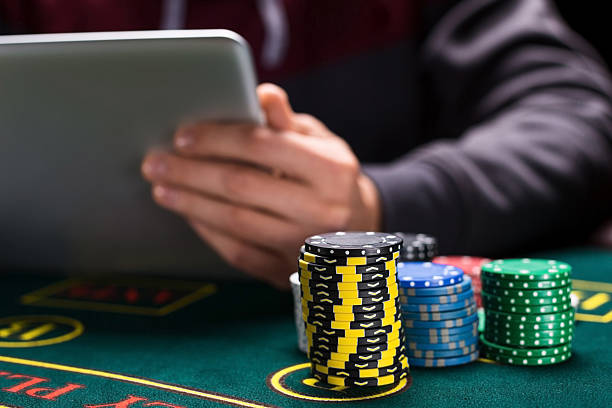
Moreover, the environment in which gambling occurs plays a significant role in influencing behavior. Casinos are meticulously designed to be inviting, with bright lights, engaging sounds, and an atmosphere that encourages prolonged engagement. This sensory overload can heighten excitement and reduce a player’s ability to think critically about their decisions. As a result, many gamblers may find themselves caught in a cycle of play that defies rationality, leading to significant emotional and financial consequences.
The psychological phenomenon known as “near misses” also adds complexity to the allure of gambling. When players nearly achieve a win, it can trigger feelings of hope and motivation to continue playing, creating a feedback loop that reinforces gambling behavior. This can lead individuals to misinterpret near misses as signs of skill or impending success, despite the odds being stacked against them. Such cognitive biases can make it difficult for individuals to recognize the need for moderation or to walk away from the game.
Psychological Triggers and Impulse Control
Many gamblers experience difficulties with impulse control, which can be linked to underlying psychological issues such as anxiety or depression. For some, gambling becomes a coping mechanism, providing an escape from negative emotions or overwhelming stress. The temporary distraction gambling offers can serve as a means to avoid addressing deeper psychological struggles. However, this can create a dangerous cycle, where gambling exacerbates stress and anxiety rather than alleviating it.
Additionally, the brain’s reward system is heavily involved in gambling behavior. Activities that offer the potential for a reward release neurotransmitters such as dopamine, creating feelings of pleasure and reinforcing the desire to engage in that behavior again. This biological reaction can make it challenging for individuals to step back and evaluate the consequences of their actions objectively. As such, understanding the role of neurological responses can offer insight into why some individuals may struggle to control their gambling habits.
The concept of “chasing losses” is another psychological trigger that can lead to persistent gambling. This behavior occurs when individuals continue to gamble in hopes of recovering previously lost money. The emotional investment in the game can cloud judgment, leading to poor decision-making and further financial loss. Recognizing this pattern is crucial for individuals aiming to regain control over their gambling habits and seek healthier alternatives for dealing with losses.
The Social Aspect of Gambling
Gambling is not merely an isolated activity; it often involves social dynamics that can influence behavior significantly. Many individuals are drawn to the communal aspect of gambling, whether it’s playing poker with friends or participating in a lively game at a casino. Social interaction can heighten excitement, as the energy of others can create an infectious atmosphere that encourages risk-taking behavior. In some cases, the social pressure to conform to group norms can lead individuals to gamble more than they normally would.
Additionally, the role of online gambling communities cannot be overlooked. The rise of online platforms has transformed the gambling landscape, allowing individuals to connect with others across the globe. This creates a unique social dimension where players can share experiences, strategies, and even losses. While these communities can offer support, they can also foster a sense of camaraderie that normalizes excessive gambling behavior. Understanding this social influence is essential in addressing gambling addiction and promoting responsible gaming.
Furthermore, the impact of advertising and media portrayal of gambling cannot be underestimated. Many advertisements portray gambling as an exciting and glamorous activity, often neglecting to address the potential risks involved. This can shape public perception, making gambling seem like a harmless or even beneficial pastime. Educating individuals about the reality of gambling, including the associated risks and consequences, is vital in fostering a healthier understanding of this activity.
Strategies for Responsible Gambling
To mitigate the risks associated with gambling, it is crucial to develop and implement responsible gambling strategies. One effective approach is setting strict limits on time and money spent gambling. By pre-determining how much one can afford to lose and establishing time constraints, gamblers can take proactive steps to maintain control over their behavior. Awareness of personal triggers and the motivations behind gambling can also empower individuals to make more informed decisions.
Incorporating breaks into gambling sessions can help individuals step back and reassess their emotional state. Short breaks allow for moments of reflection, making it easier to recognize when feelings of frustration or anxiety may influence gambling decisions. It is equally important to create alternative activities to fill the time that would typically be spent gambling, ensuring that individuals have other outlets for stress relief and entertainment.
Support from friends and family can play a pivotal role in promoting responsible gambling habits. Open conversations about gambling behavior, motivations, and financial implications can create a supportive environment that encourages accountability. Additionally, seeking professional help when gambling becomes problematic is a critical step toward recovery. Various resources, such as counseling services and support groups, can provide the necessary tools and strategies for individuals struggling with gambling addiction.

About Our Website
Our website is dedicated to educating individuals about the complexities of gambling behavior and promoting responsible gaming practices. We believe that understanding the psychological and social factors that influence gambling can empower individuals to make informed decisions. Through informative articles, resources, and community support, we aim to provide a comprehensive platform for those seeking knowledge and assistance in navigating their gambling experiences.
We recognize that gambling can be a double-edged sword, offering both entertainment and risk. Our mission is to foster awareness of the potential pitfalls while celebrating the positive aspects of responsible gaming. By providing insight into the psychology behind gambling behavior, we hope to create a more informed public that prioritizes their mental and emotional well-being in relation to gambling activities.
About the Author