Shafiq Mengal: Militancy, Tribal Politics, and the Controversies of Power in Balochistan
Introduction
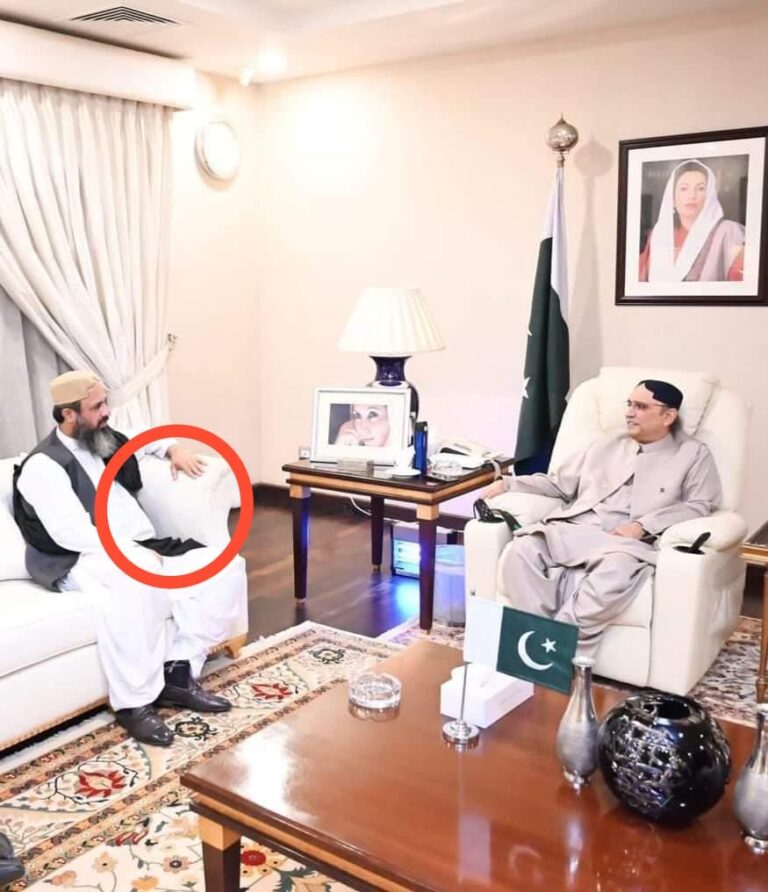
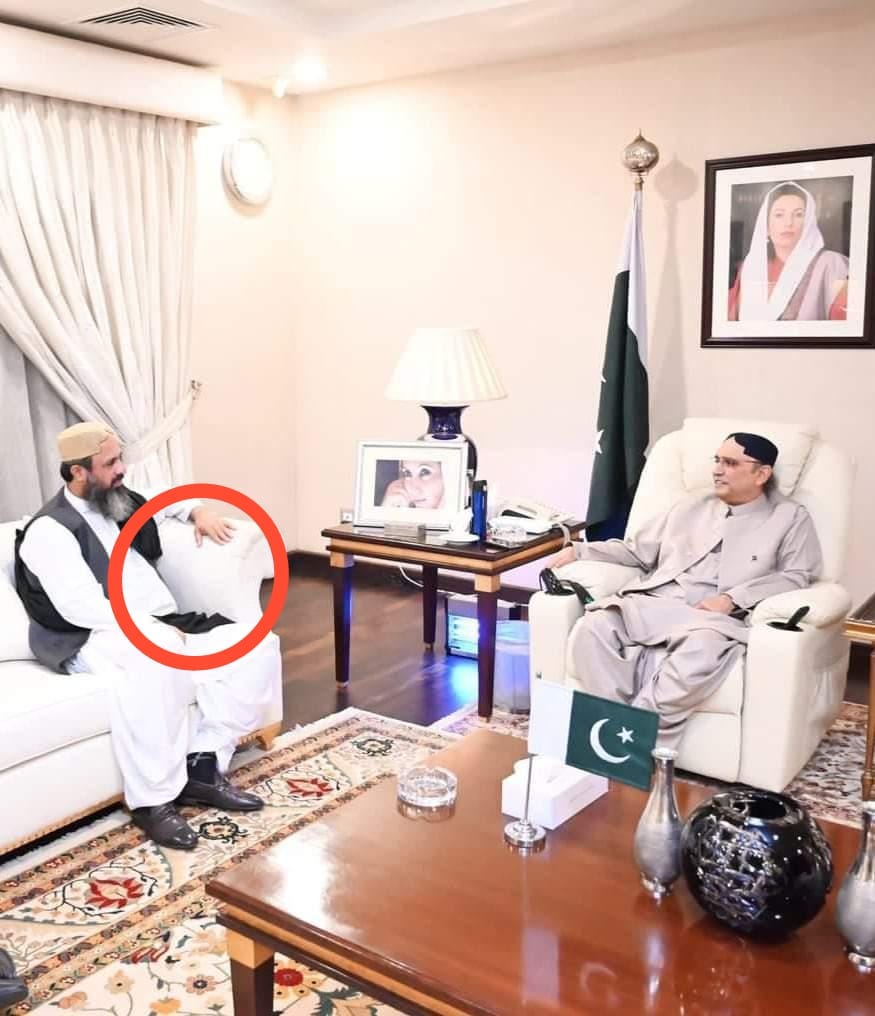
In Balochistan’s turbulent political landscape, certain figures emerge at the intersection of tribal power, militancy, state security policies, and electoral politics. Shafiq Mengal is widely regarded as one of the most controversial among them. His name has resurfaced in national debate after Pakistan Peoples Party’s (PPP) social media cell posted a photograph of his meeting with President Asif Ali Zardari, suggesting his association with the party. The post triggered a strong reaction on social media under the hashtag #ShafiqMengal, reflecting how deeply contested his role is within Balochistan’s political and security dynamics.
Shafiq Mengal’s story is not merely about one individual; it reflects the complex interaction between tribal authority, insurgency, counterinsurgency strategies, and mainstream politics in Balochistan.
Family Background and Early Life
Shafiq Mengal belongs to the Muhammad Zai sub-tribe of the Mengal tribe, based in Wadh, Khuzdar district in Balochistan. His father, Mir Naseer Mengal, was a prominent political figure who served as caretaker Chief Minister of Balochistan, a Senator, and held positions in the federal petroleum ministry. Mir Naseer Mengal was considered a political figure close to the federal establishment and did not have the confrontational stance toward the Pakistani state that characterized many Baloch nationalist leaders.
Shafiq Mengal spent his early years in WAPDA Colony in Khuzdar, a middle-class residential area. He briefly attended Aitchison College in Lahore, one of Pakistan’s elite institutions, but reportedly did not complete his education there. Later he studied at a boarding school in Lahore and eventually enrolled in a Deobandi religious seminary in Karachi affiliated with Wafaq-ul-Madaris. It was during this period, according to several accounts, that he came into contact with religious militant networks.
Allegations of Smuggling and Militant Connections
Over the years, various allegations have been made against Shafiq Mengal and members of his extended family regarding involvement in illicit trade networks. These include accusations of smuggling Iranian oil, non-custom-paid vehicles, and narcotics. Some analysts argue that these activities helped establish connections with networks that later intersected with militant groups.
It has also been claimed that during his time in Karachi’s Deobandi seminary environment he developed links with sectarian and militant organizations. These alleged associations include contacts with individuals connected to Sipah-e-Sahaba Pakistan and later with circles linked to Jaish-e-Mohammed, the militant organization formed by Masood Azhar in 2000. While these claims have circulated widely in political discourse, they remain part of the broader controversies surrounding his public image.
The Baloch Insurgency and the Rise of Armed Groups
The insurgency in Balochistan intensified significantly after 2005, particularly following the killing of Nawab Akbar Bugti in a military operation in 2006. This period saw increased confrontation between Baloch nationalist insurgents and the Pakistani state.
Within this context, Shafiq Mengal’s name began to appear frequently in discussions about armed militias operating in Khuzdar and surrounding areas. According to critics and Baloch nationalist groups, Mengal organized an armed group composed largely of members of his tribe. This group was later reportedly referred to as “Musallah Difaa Tanzeem” (Armed Defense Organization).
Baloch nationalist activists allege that this group functioned as a “death squad”, targeting nationalist activists and opponents of the state. These accusations form a major part of the controversy surrounding Mengal’s role in Balochistan.
The Tutak Mass Graves
One of the most disturbing incidents linked to the broader conflict in Balochistan was the discovery of mass graves in the Tutak area of Khuzdar in 2014. The remains of 169 individuals were reportedly recovered from these graves. Human rights organizations and Baloch nationalist groups raised serious concerns about enforced disappearances and extrajudicial killings.
Some political actors accused militias associated with Shafiq Mengal of involvement in these crimes. However, the case has remained unresolved, and a transparent judicial conclusion has never fully emerged. As a result, the Tutak graves continue to symbolize the unresolved human rights crisis in Balochistan.
Tribal Rivalry with Akhtar Mengal
The town of Wadh has historically been the political stronghold of the Mengal family led by Sardar Ataullah Mengal, the first elected Chief Minister of Balochistan in 1972. His son Sardar Akhtar Mengal, leader of the Balochistan National Party (BNP-Mengal), has long dominated politics in the region.
The emergence of Shafiq Mengal introduced a competing power center within the same tribal landscape. Land disputes and tribal rivalries between supporters of Akhtar Mengal and Shafiq Mengal occasionally escalated into armed clashes.
Akhtar Mengal has repeatedly accused Pakistan’s security establishment of backing Shafiq Mengal as a counterweight to Baloch nationalist politics. These accusations reflect the broader narrative among nationalist circles that state-backed militias have been used to weaken nationalist movements.
Entry into Electoral Politics
In 2018, Shafiq Mengal formally entered electoral politics. He contested the Balochistan Assembly seat PB-44 Khuzdar (Wadh) as an independent candidate against Sardar Akhtar Mengal.
Although he did not win the election, analysts interpreted his candidacy as a signal of his transition from militia leadership to formal political participation. Some observers suggested that his political role could serve as a strategic alternative to established nationalist leaders in the region.
Relationship with the Pakistan Peoples Party
In 2021, Shafiq Mengal reportedly attempted to join the Pakistan Peoples Party (PPP) and held meetings with senior party leaders including Asif Ali Zardari and Faryal Talpur. However, the party did not formally induct him or grant him a ticket for the 2024 general elections at that time.
Following the 2024 elections, however, the political landscape of Balochistan shifted significantly. Several politicians previously associated with the Balochistan Awami Party (BAP) and other establishment-aligned groups joined PPP and Pakistan Muslim League-Nawaz. In this evolving political environment, Mengal’s association with PPP has again become a topic of public discussion.
Establishment and the Politics of Proxies
A central theme in discussions about Shafiq Mengal concerns the alleged role of Pakistan’s security establishment in shaping Balochistan’s political landscape. Critics argue that the state has sometimes relied on local militias and tribal intermediaries to counter insurgent groups and weaken nationalist political movements.
Within this narrative, figures like Shafiq Mengal are portrayed as proxies who bridge the worlds of armed power and electoral politics. Supporters, however, argue that such individuals represent local authority structures and tribal leadership within a complex security environment.
Conclusion
Shafiq Mengal remains one of the most controversial personalities in Balochistan. To his critics, he represents the militarization of politics and the use of proxy actors in counterinsurgency strategies. To others, he is a tribal leader navigating the difficult realities of conflict in one of Pakistan’s most volatile provinces.
Ultimately, his story illustrates the deeply intertwined nature of militancy, tribal authority, state policy, and democratic politics in Balochistan. Understanding figures like Shafiq Mengal is therefore essential for understanding the broader dynamics shaping the province’s troubled political history.
About the Author